
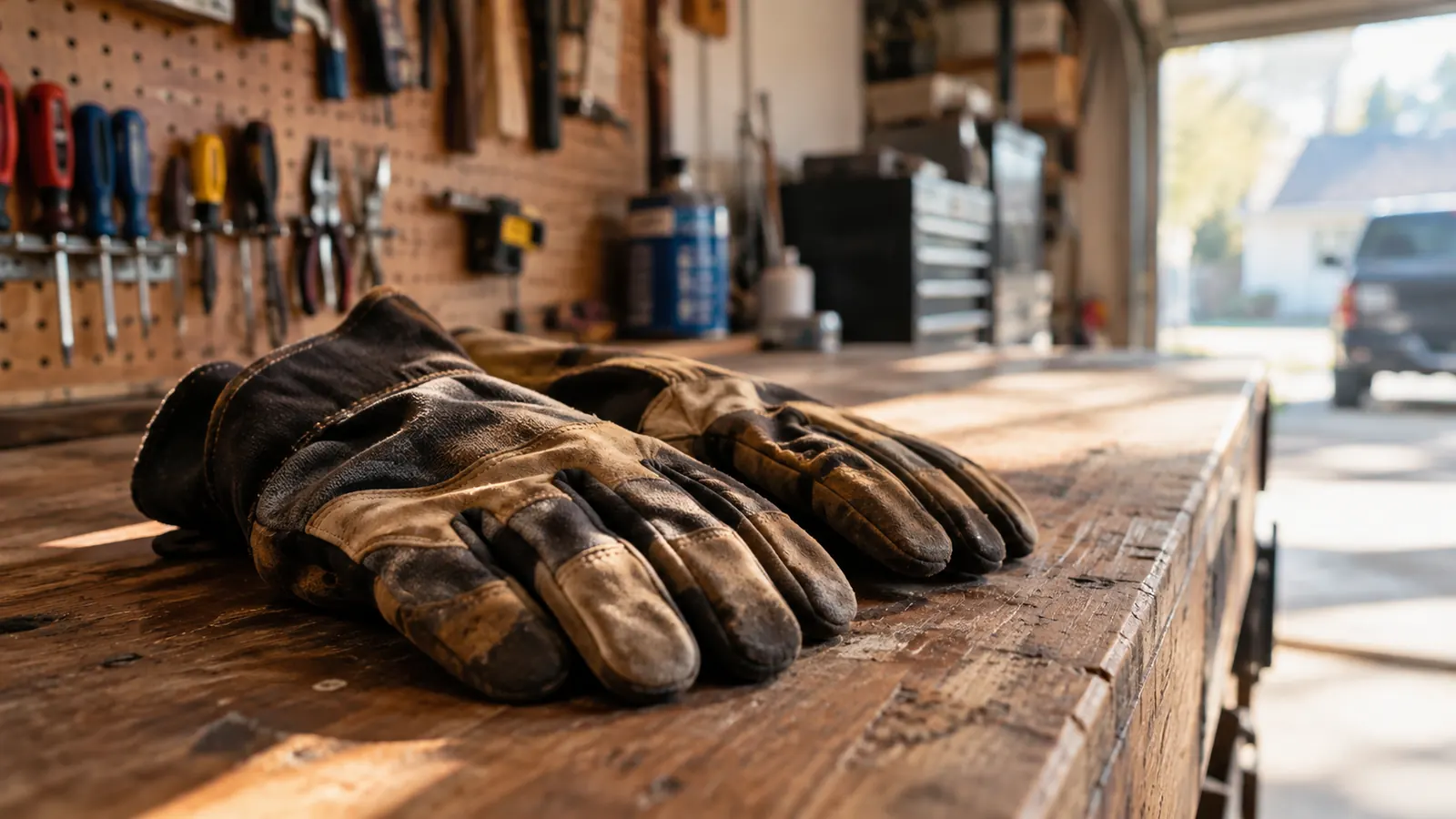
Standing in the hardware aisle, I used to grab whatever work gloves were on the sale rack and regret it by the second project. Too bulky to pick up a screw. Too stiff to feel what I was doing. And usually worn through before the season was over. I bought my first pair of Mechanix Wear Original work gloves two summers ago, for a deck board project, mostly because the guy at the counter wore the same pair every single day and never seemed to think about it. What nobody tells you about these gloves is that they solve the bulk problem so well that you will start reaching for them for everything, and then you will find the edges of what they can and cannot do. This is the honest version, the stuff I wish someone had told me before I bought mine.
I am not a professional mechanic and I do not work in a shop. I am a 58-year-old grandmother who keeps a folding workbench on one side of her two-car garage outside Spokane, and my projects are the usual ones: deck boards, shelving, trim, a bathroom refresh, and a raised garden bed for the summer. I bowl on a Tuesday night league, so I am particular about my hands, and that is part of why I care about a glove that fits instead of a glove that just covers. These gloves were not designed for someone like me on paper, but they have become the pair I reach for first. Here is what I like, what I would change, and what the product page leaves out.
The Quick Verdict
The best light-duty work glove I own for dexterity and fit, with two honest flaws: the touchscreen fingertips fade with washing, and it is not built for heavy, cold, or wet work.
Amazon Check Today's Price →The pair I reach for first, and the one I would buy again
If you want a glove that lets you feel what you are doing, the Mechanix Wear Original is hard to beat. I bought mine in Large and the fit runs slim, so read the sizing notes below before you order.
Amazon Check Today's Price on Amazon →How I've Used It
For the past two seasons, these gloves have been on my hands for the jobs that need fingers, not just protection. Pulling old deck screws, sorting hardware, hanging trim, planting the raised bed, and every trip to the hardware store where I needed to read my phone in the parking lot without taking a glove off. I wore them through a full bathroom refresh last spring, including the tile work and the painting, and they came out the other side with nothing worse than honest wear. The first real test was a Saturday in late May, when I pulled up twelve feet of rotted deck board and carried it to the curb in one trip. The board had been there since the house was built in 1987, and the screws came out with a fight. I remember the date because it was the day before the first Tuesday league night of the summer, and my hands needed to be in bowling shape, not blistered. The gloves took the splinters and the sting, and by the time I was done I could still pick up the pencil I had dropped on the workbench.
My usual glove before these was a thick leather pair that felt like armor and handled like a catcher's mitt. Fine for hauling lumber, useless for picking a nail out of a parts bin. What I wanted was something that would stop the splinters and the blisters but still let me thread a nut onto a bolt. The Mechanix Wear Original is the first glove I have owned that actually does that.
I should also tell you what I did not do with them. I did not wear them for dragging concrete pavers across the yard, and I did not wear them for stripping paint with a heat gun. Those jobs got the leather gloves or the coated pair I keep in the garage. That division of labor is the thing nobody tells you, and it is the reason these have lasted me as long as they have.
I have also thought about buying smaller pairs for my grandkids when we build projects at the workbench, because the slim fit is the one thing that makes a work glove usable for a smaller hand. Most kid gloves are stiff and clumsy, but a glove that fits like this one does lets a small hand hold a screwdriver properly. I suspect a couple of smaller pairs will end up in my cart before our next project.
What Nobody Tells You About the Fit
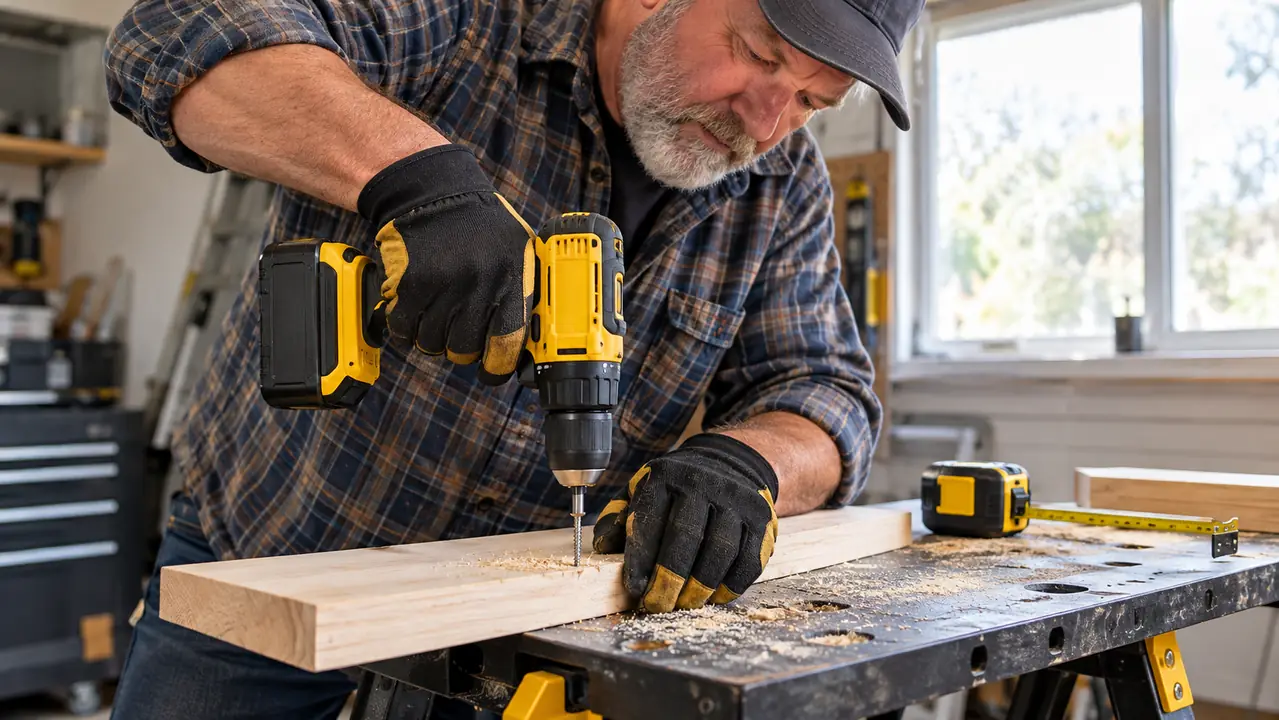
The sizing is the first surprise. I wear a medium in most garden gloves, so I ordered these in Large to have a little breathing room, and they fit like a generous medium in a normal work glove. They run slim through the fingers, which is exactly why they feel so precise, but it means the size chart on the package deserves your attention. If you are between sizes, go up, especially if you plan to wear them over a thin liner in the fall. I checked the size chart against my own hand before I ordered, measuring from the base of my palm to the tip of my middle finger, which came out to about seven inches. By the chart, that put me at the top edge of medium, so I chose Large, and I am glad I did. The fingers on the Large end up just short of my fingertips, maybe a quarter inch shy, which sounds too small until you remember that the material stretches as you work. After two seasons of washing, they still end in the same place.
The second surprise is that they soften. The first time I put them on, the palm felt a little stiff and almost dressy, like driving gloves. After a few afternoons of real work they molded to my hands, and now they go on like a second skin. There is a break-in period, but it is short, and it is worth it.
The strap at the wrist is a small thing until you have worn gloves without one. It keeps sawdust and grit out, and it keeps the glove from sliding around when I am reaching overhead to hang trim. I keep it snug but not tight, and it has held its grip for two seasons, which is more than I can say for the hook and loop closure on some of my other gloves.
The Grip and the Feel
The grip is the quiet win that the ads never talk about. The palm is a synthetic material that grabs a screwdriver handle or a paintbrush better than bare skin, and it does not have the sticky coating some gloves use, the kind that collects sawdust and turns into a gritty mess. Even with a light coat of deck stain on my fingers, I could keep a good hold on a brush handle all afternoon. The afternoon that convinced me was the one I spent hanging trim in the hallway. I was on a step stool, reaching overhead with a nail gun in one hand and a handful of finish nails in the other, and I did not drop a single one. With my old leather gloves, the nails would have been all over the floor by the second pass. I also picked a dropped screw out of the gap between the flooring and the baseboard without taking the glove off, which is the kind of small thing that makes you trust a glove.
I also like that the back of the hand breathes. My old leather gloves came off dripping on warm days, and these do not. That breathability is the reason they are comfortable for a full afternoon, and it is also the reason they are not warm in the winter. You are trading insulation for air, and for most of my projects that is a trade I am glad to make.
The other thing I notice every time I put them on is how quiet they are. My old leather gloves creaked and squeaked, and these make no noise at all. That sounds like a silly thing to care about, but when you are trying to listen for a screwdriver slipping or a drill bogging down, a glove that does not add noise is a small mercy.
The Touchscreen Fingertips and Long-Term Durability
The product page makes a point of the touchscreen fingertips, and I get it, because answering a call or checking the drill settings without stripping a glove off is genuinely handy. They worked well for the first couple of months, well enough to swipe through a photo of the trim I was trying to match or type out a quick reply.
Here is the honest part. After several washes, the conductive material on the fingertips is still there, but it is less reliable. I have to use the pad of my finger and sometimes tap twice. It is not a deal breaker and I would not send the gloves back over it, but the ads make it look like the touchscreen performance never changes, and it does. Wash them in cold water and let them air dry. The dryer is what makes the fingertips fade fastest.
Two seasons in, the stitching is intact, the strap at the wrist still closes tight, and the palm shows honest wear but no holes. For weekend DIY jobs, they have held up better than I expected from a glove this light. The key was not wearing them for the jobs that were too big for them. Abrasion is what kills these, so dragging the palm across rough surfaces over and over will wear a thin spot.
The thing that will eventually end these gloves, I suspect, is the combination of rough pressure-treated lumber and the washings. They are machine washable, and I wash them after the dirty jobs, and every wash takes a little life out of the touchscreen material. That is the trade. A glove that breathes and fits this well is not going to be the indestructible leather glove your grandpa had. You are trading raw armor for control.
What These Gloves Are Not For, and What I Would Change
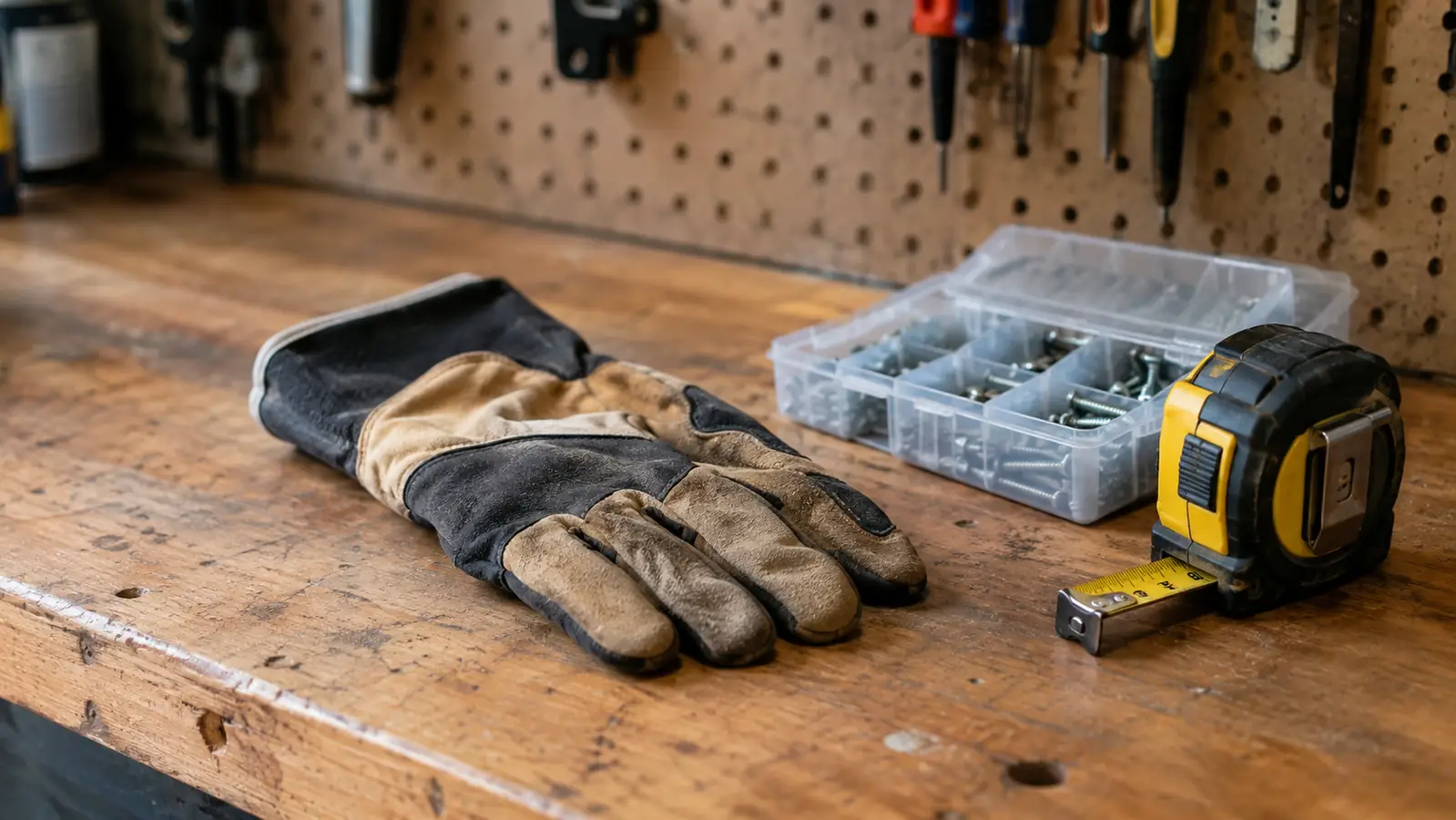
Here is the part the reviews skip. These are not cold-weather gloves. In an unheated garage at forty degrees, my hands got cold fast, because there is no insulation to speak of. They are not waterproof either. I grabbed them during a light drizzle to bring in the tools, and they soaked through. They dry quickly, which is something, but they are a dry-weather, dexterity-first glove. I keep an insulated pair on the shelf for the cold months. The morning I learned that was late October, when the temperature had dropped to 39 overnight and I needed to winterize the raised garden bed. I thought the gloves would be enough, and for the first ten minutes they were. By the time I had pulled the spent tomato plants and dumped the soil into the compost bin, my fingers were stiff enough that I had trouble unbuckling the wrist strap with my other hand. I finished the job in my fleece-lined pair, and the Mechanix Wear gloves went back on the shelf, where they belong until spring.
They are also not for hot work. I would not grab a hot drill bit with them, and I would not wear them for welding or grinding. And on oily jobs, the synthetic palm picks up grease and turns slick until you wash them. None of that is a failure of the glove. It is a failure of the marketing to make it look like one glove does everything. No glove does everything. These do their one thing beautifully, and that one thing is letting you work with your hands instead of against them.
If I could change one thing, it would be the staying power of the touchscreen fingertips, because that is the feature that gets the most attention and the one that fades first. I would also like a little more padding on the palm for the times I lean on the edge of the workbench. And I would love a small loop at the wrist to pull them on with, because getting a snug glove on and off with damp hands is a small daily argument. None of these are big asks, and none of them stop me from recommending the glove.
That list is short, and I think it is telling that I have to reach for things to complain about. The stitching on the fingers has not popped, the wrist strap still holds, and the gloves have not stretched out of shape. For a glove in this class, that is not nothing. The cheap pairs I used to buy were done by the end of one season, usually with a blown seam at the thumb.
What I Liked
- Fingertip feel is excellent. You can pick up a single screw or thread a nut
- Snug, precise fit that molds to your hands after a few wears
- Breathable back keeps your hands from sweating on warm days
- Touchscreen fingertips work well while they are new
- Machine washable and quick to dry
- Wrist strap keeps sawdust and grit out
Where It Falls Short
- Run slim, so order a size up if you are between sizes
- Touchscreen performance fades after repeated washing
- No insulation, so cold garage work will chill your hands
- Not waterproof and not meant for wet work
- Synthetic palm wears faster than leather on rough surfaces
Two seasons of deck boards, shelving, and a bathroom refresh, and the palm shows honest wear but no holes. That is the whole story of these gloves in one line.
Who This Is For
If you are the person standing in the hardware aisle trying to remember which gloves are worth the money, these are for you. The home workshop person, the hobbyist, the gardener, the person who does their own small repairs and is tired of fighting with stiff gloves. If you value being able to feel the work, if you are tired of dropping screws and fumbling with your phone in the parking lot, and if your projects need protection from splinters and blisters rather than from grinding sparks, the Mechanix Wear Original will probably become your default pair. They suit smaller hands especially well, because the slim fit means you are not swimming in extra material. I bought mine for deck work, and they have since been on my hands for everything from hanging curtains to sorting a box of assorted screws.
Who Should Skip It
If you do heavy work every day, if you are hauling stone, mixing concrete, welding, or running a cutoff saw, you need more armor, and these will wear out faster than you would like. If your hands run cold, these will not keep them warm. And if you do a lot of wet work, look at a coated or waterproof glove instead. None of that makes this a bad glove. It makes it a specific glove, and the people who love it are the ones who bought it for the job it actually does.
The honest pick for weekend projects and smaller hands
I have bought gloves that cost more and protected half as well. If your projects look anything like mine, the Mechanix Wear Original is the pair I would put in your cart. Read the sizing note, order a size up if you need to, and give them a few afternoons to break in. I think you will understand what all the fuss is about by the end of the first project.
Amazon Check Today's Price on Amazon →